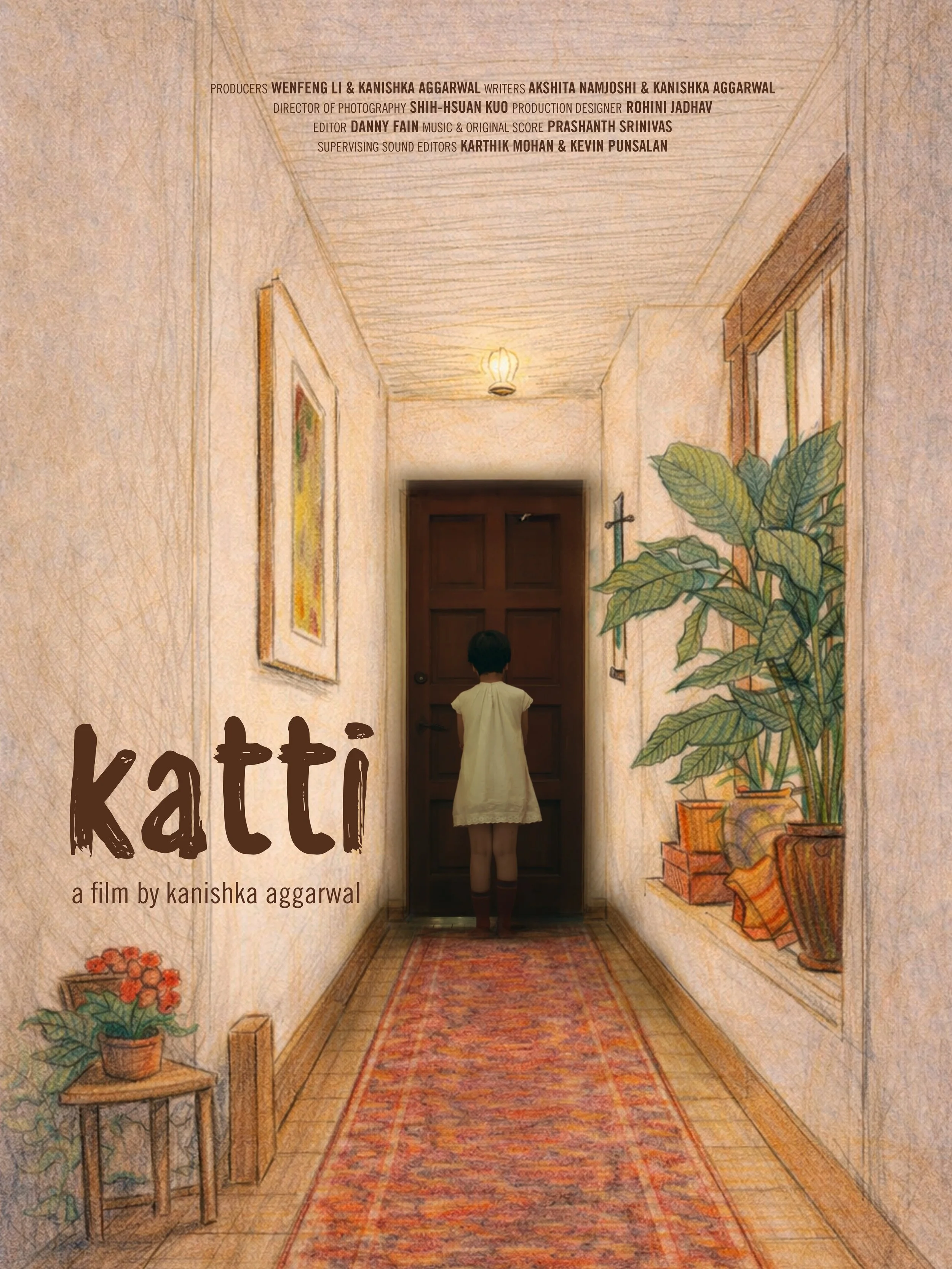
Katti
PRESS KIT | MEDIA KIT
log line
In a lively Indian household celebrating the birth of a baby boy, a spirited eight-year-old girl confronts the sting of gender bias and the complexities of sibling rivalry as she struggles for her family's attention, only to realize the unbreakable bond with her sister when the threat of separation looms
Synopsis
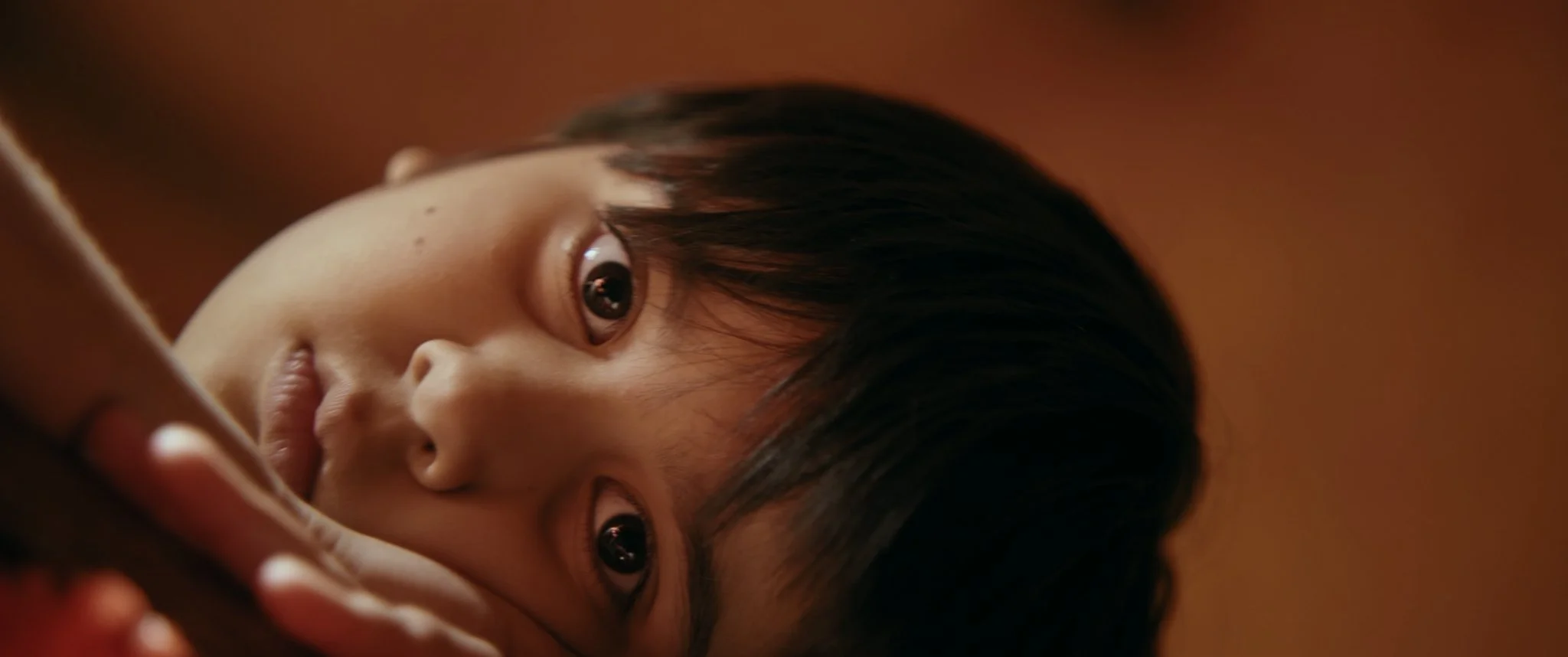
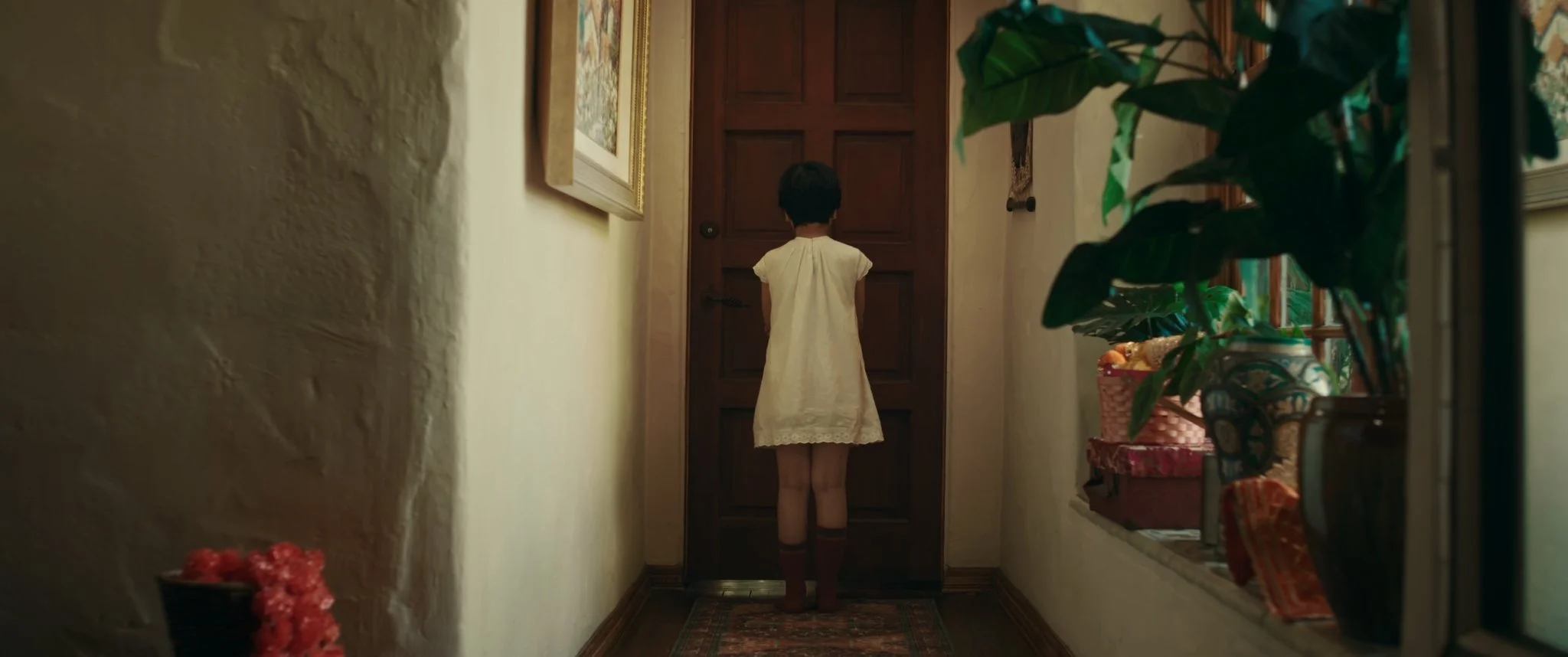
Eight-year-old Bittoo, a spirited young girl with cropped hair and an inquisitive mind, finds herself displaced in her own home after the birth of her baby brother, Golu. Set in the backdrop of a traditional joint family, the film unravels through Bittoo’s innocent yet sharp gaze, capturing the subtle yet deep-seated gender biases and shifting family dynamics that surround her.
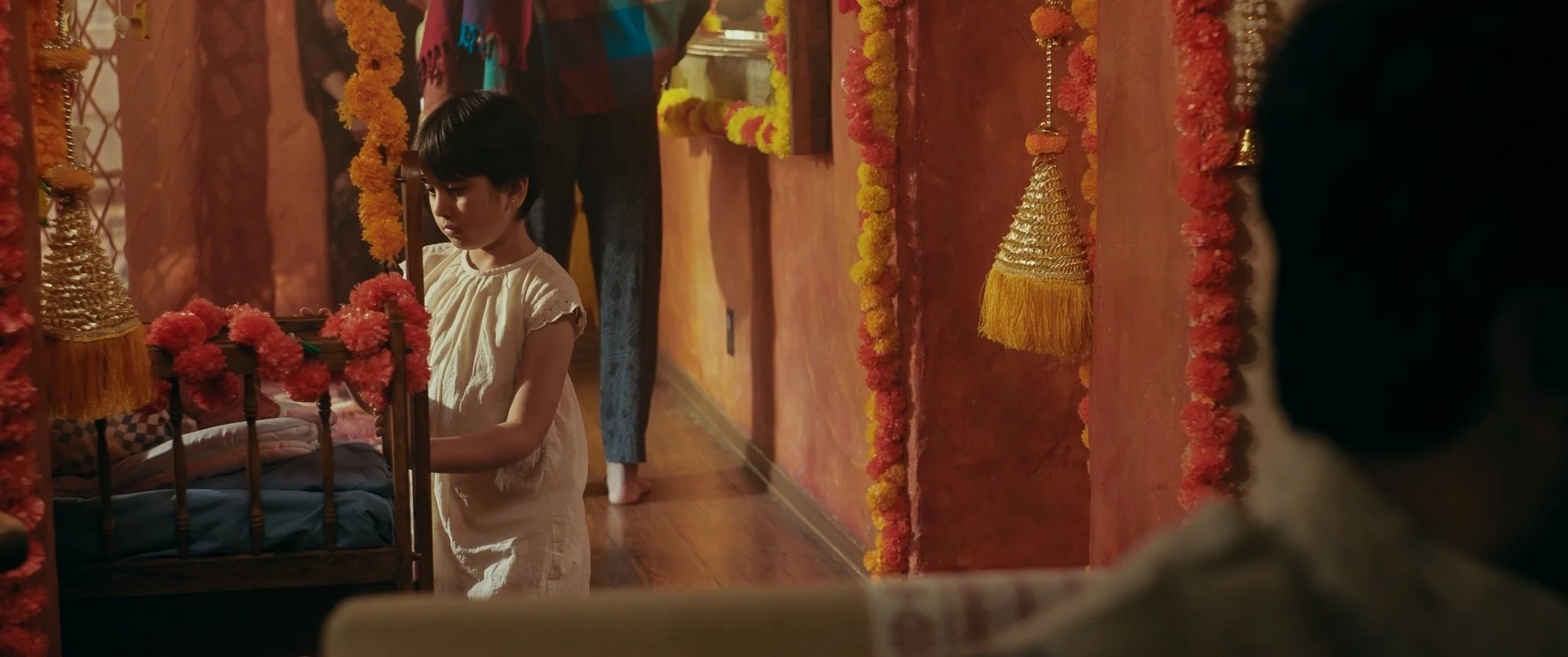
As the household buzzes with celebration for Golu’s ceremonial rituals, Bittoo watches from the sidelines, realizing her diminishing place within the family. Her father’s casual remark about moving her into her older sister Mitthoo’s room while Golu takes her spot with the parents, deeply unsettles her, triggering a wave of emotions she struggles to understand. Seeking comfort, she turns to Mitthoo, but their relationship is fraught with sibling rivalry. Mitthoo, on the verge of adolescence, is preoccupied with her own struggles and an impending separation that can be caused by this admission letter to a boarding school that she’s been keeping secret.
Bittoo’s growing resentment manifests in mischievous outbursts; poking Golu out of spite, teasing Mitthoo about a supposed boyfriend, and inadvertently exposing the letter in front of their father. In a cruel twist of fate, what she thought would be her revenge ends up bringing cheers and congratulations, as the family hails Golu as their "lucky charm" for Mitthoo’s acceptance into a prestigious school. Bittoo’s attempt at reclaiming attention only deepens her loneliness.
As the sisters’ relationship fractures further, an emotionally charged confrontation reveals Mitthoo’s hidden fears of being sent away now that Golu has taken her place. The realization strikes Bittoo in an almost naïve yet profound moment: If she had been born a boy, Golu wouldn’t be here.
In the quiet aftermath of the storm, the sisters, once divided by jealousy and misunderstanding, find solace in each other. In a simple yet poignant gesture, Mitthoo helps Bittoo change out of her soiled clothes, and Bittoo leans on her shoulder, whispering a small but powerful word - “Sorry."
KATTI is a tender, bittersweet exploration of sibling bonds, displacement, and the unspoken truths that shape childhood. Through Bittoo’s innocent yet perceptive eyes, the film sheds light on the subtle emotional undercurrents of gender bias, family hierarchy, and the longing for belonging.
Title: KATTI (unfriend) Genre: Family Drama Country: USA/India Production Year: 2025 Language: Hindi (with English subtitles) Duration: 14 min Aspect Ratio: 2.39:1 Shooting Format: Digital, Prores4444 Exhibition Format: 4kDCP, 2kDCP, 4k Prores, 2k Prores, Prores422HQ Sound: 5.1, Stereo
Director: Kanishka Aggarwal Writers: Akshita Namjoshi, Kanishka Aggarwal Producers: Wenfeng Li, Kanishka Aggarwal Cinematographer: Shih-Hsuan Kuo Editor: Danny Fain Music comp & Original Background score: Prashanth Srinivas Supervising Sound Editors: Karthik Mohan, Kevin Punsalan Khor Production Designer: Rohini Jadhav Cast: Siyona Ailiani, Ashi Sharma, Linisha Patel, Annie Agarwal, Harshrajsinh Gohil
Director’s Statement
I am the middle child in a traditional North Indian family, where the birth of a son was celebrated as essential. When my brother was born, the joy in the family was unlike anything I had ever experienced. I realized that if I had been born a boy, my parents would not have had a third child, and that realization has stayed with me. When, after many prayers, my brother was born, I saw something shift. There was an acceptance from society that was not there before, and a happiness on my grandparents’ faces that I had never seen. At the same time, I also saw the exhaustion on my parents’ faces, caused by the expectations they were constantly expected to meet.
To clarify, I do not dislike my brother or my parents, I love my family. In fact, it was not my parents who stressed on having a baby boy. It was everyone around them. Everyone who was disappointed in my mother for not birthing a son. Under these pressures, my parents gave me the best life they possibly could at that time. Still, the awareness we have as children is unmatched. Our blank-slate minds pick up the smallest cues, the blink of an eye, a silent sigh of a parent, the disappointment of a relative, the incomplete love of a grandparent. When I was little, I was never told about the household pressures, but I could sense it all. It felt like an unexplainable knowing that something was missing from our lives, or that something was expected of us, and that we as a family were not “there” yet.
In the midst of it all, my elder sister and I were constantly at odds, so much so that we would deliberately try to make each other’s lives hell. That conflict only added to the chaos my parents were already navigating. In an attempt to give us a better education, my sister was sent to a boarding school. It was then that I realized I had lost an ally, not an enemy.
Katti reflects how deeply children internalize these unspoken family and societal dynamics. The feelings of rejection, longing, and confusion experienced in childhood quietly shape one’s sense of self and often linger well into adulthood. The film is a personal exploration of a deeply rooted societal prejudice, one that continues to exist even within so-called progressive families.
The word Katti in Hindi translates to “un-friend,” a term children use when they decide to sever ties after a conflict. Through Bittoo’s story, the film captures both the fragility and intensity of childhood bonds, and the moment when a child first begins to understand how the world assigns value. This conditioning does not end with childhood. We often say society puts pressure on people, but society is made up of us. When my sister had her second daughter, instead of congratulations, she received sympathy: “It’s okay.” The same words were spoken to a close friend when she had a baby girl. Many women grow up believing that having a boy is essential, and unknowingly carry that belief forward as mothers, mothers-in-law, grandmothers, aunts, passing the pressure onto the next generation while diminishing themselves in the process.
Katti is a glimpse into the very first moment a woman feels she is not enough. The first realization that something biological may be considered superior. The seed of a belief system that grows quietly, one that women often struggle to confront even within themselves, eventually accepting it as truth. This film does not intend to place blame. Instead, it aims to create an understanding of how deeply gender inequality is ingrained in all of us. Katti asks an uncomfortable but necessary question: when did I first start believing I was lesser? How many times was I subtly told this through a look, a smile, a shrug, or silence?
By stepping into the subconscious of a little girl, Katti explores how societal conditioning begins and how identity is shaped. I hope the film sheds light on the complex inner worlds of girl children whose voices are often unheard, and invites us to reflect on the beliefs we inherit and the ones we choose to pass on. Stories of girl children, especially those told by women, are often underrepresented in media. Katti is a film created by women, reflecting shared experiences from a diverse cast and crew. We are proud to have a fantastic team, including Chapman University graduate students and external collaborators.
The Journey
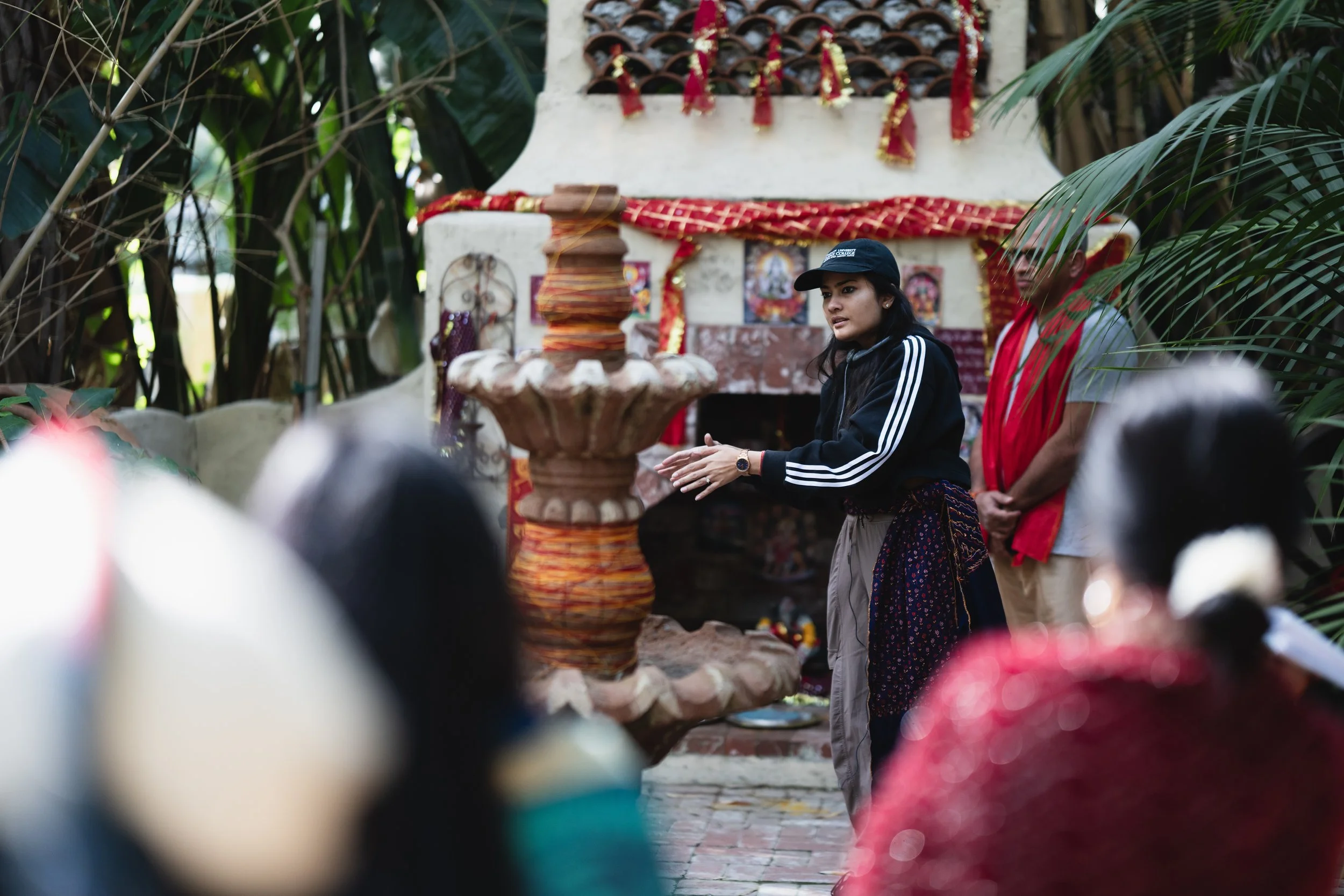
Bringing Katti to life was nothing short of a miracle. The film was originally written to be shot in India, where the story naturally belongs. However, due to visa restrictions, we were unable to take key members of our crew from the United States to India. This forced us to take on what felt like an almost impossible challenge to recreate India in Los Angeles.
The film was ultimately shot in the Hollywood Hills, a location that could not be more different from the world the story inhabits. Transforming that space into something that felt authentically Indian became our first and most daunting challenge. To achieve this, we brought many production design elements from India. The costumes were sourced and made there as well. Everything had to feel authentic and lived-in. For the film to look like India, it had to feel like India.
Our set slowly transformed into a small pocket of India. Even the atmosphere mattered - our food was Indian, our craft table was Indian, and the energy on set reflected the warmth of the world we were trying to recreate. If you walked onto the set, you would feel it immediately. People were singing, laughing, and sometimes even dancing between takes. It was beautiful.
The group of women in the background functions almost like a character in the film. From the beginning, I wanted them to feel like a real unit rather than just background performers. We held rehearsals together, and I reached out to an aunt who knew many traditional songs that women sing during gatherings. She would send me videos of her singing the song, and then I taught those songs to the background actors. They embraced the process so naturally that their performances felt completely organic. Their dedication to the film made me feel a deep responsibility to honor their contribution and do justice to the story we were telling.
The commitment from the actors was incredibly moving. Our lead actress had beautifully long hair, yet she chose to cut it off before the shoot because she believed it was important for the character. That kind of trust and love from collaborators is rare, and I believe that energy carried into the film itself.
Working with child actors was another special experience. Directing children is very different from directing adults. For them, acting is not yet about careers or ambition—it is play. Their curiosity and sense of fun are what drive them, so it becomes essential to create an environment where that spirit can thrive. We approached the process almost like a game, allowing them to remain spontaneous and natural in their performances.
At times, we also chose not to reveal everything to the actors in advance in order to capture genuine reactions. In one scene on the street, a clay pot is meant to break on the ground—something that, in the cultural context of the story, carries an auspicious meaning. Our lead actress, Sienna, was not told that the pot would actually be dropped during the take. When it suddenly shattered on the ground, her reaction in the film is completely real. For a moment, she genuinely thought a prop had accidentally broken and that the shot might have been ruined. What was remarkable was that she didn’t break character. She stayed present in the scene and continued performing alongside everyone else. That instinct and presence is a testament to her sensitivity as an actor and contributed to the authenticity of the moment on screen. That take finally made it into the movie.
During pre-production, I spent a great deal of time with my cinematographer and production designer discussing the visual language of the film. We wanted the light to feel like Indian sunlight. Light has a different quality in every country, and I remember sunlight in India as strong but slightly diffused. Recreating that look was tricky. We wanted something that felt harsh and bright, yet softened at the same time, almost as if pollution in the air was gently diffusing it. At the same time, the film needed to feel nostalgic, as the story is a reflection on memory.
Katti is a reflection on the girls who grow up learning, sometimes without being told, that as women they are expected to occupy very little space in the world. This idea has been ingrained across generations, and in many ways we are still confronting it today.
That theme appears visually in the film as well. Although the women in the story outnumber the men, they occupy a smaller room, tightly gathered together in a makeshift space. The men, despite being fewer, sit comfortably in the larger room. It reflects a dynamic that still exists in many households in India - something so normalized that it often goes unquestioned. I wanted these details to exist subtly within the frame, allowing the film to communicate complex ideas quietly.
Even color and makeup choices required careful attention. The tones had to resemble the colors we see in India; even a slight shift in shade could make the environment feel too modern or Western. Makeup was another crucial detail. The way makeup is applied in the United States versus India is very different, especially when someone does their own makeup compared to when it is done by a professional artist. To maintain authenticity, most of the women did their own makeup, just as they would in their daily lives, while our lead actress wore no makeup at all.
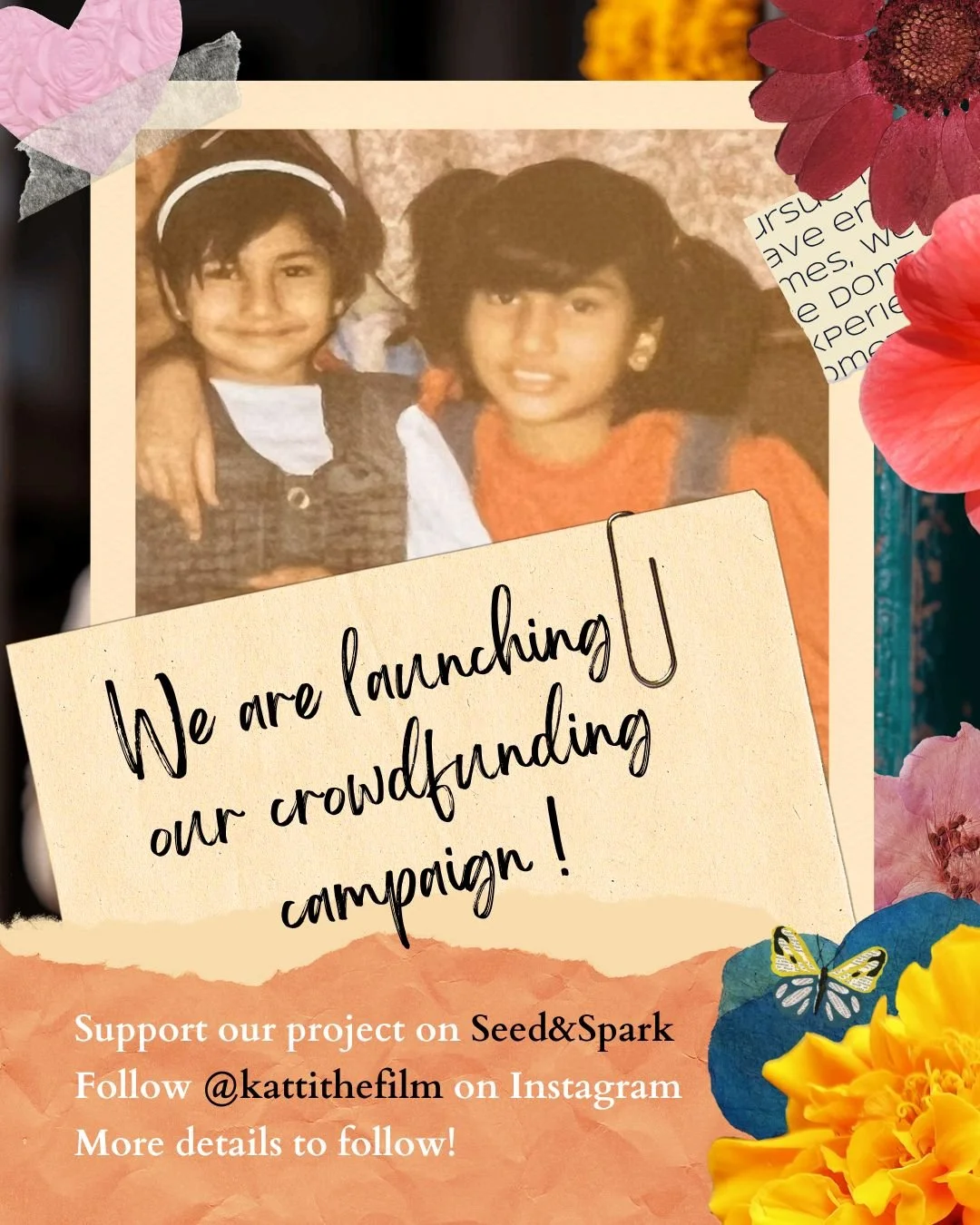
This film would not exist without the generosity of many people who believed in it. Through a crowdfunding campaign on Seed&Spark, we were able to raise $10,000 to help cover part of the production costs. That support, along with the dedication of the cast and crew, made something that once felt impossible suddenly achievable.
Looking back, the journey of making Katti reminds me that films are never created by one person alone. They come to life through trust, collaboration, and the shared belief that a story deserves to be told.
Katti is an ode to the women who came before us - the ones who endured, adapted, and built families and communities while quietly carrying the weight of expectation. It is also for the women yet to come: the daughters we raise, us as mothers-to-be, and the hope that somewhere along the way we can break the deep imprint that this world belongs to men, and start claiming space of our own.
Key Crew
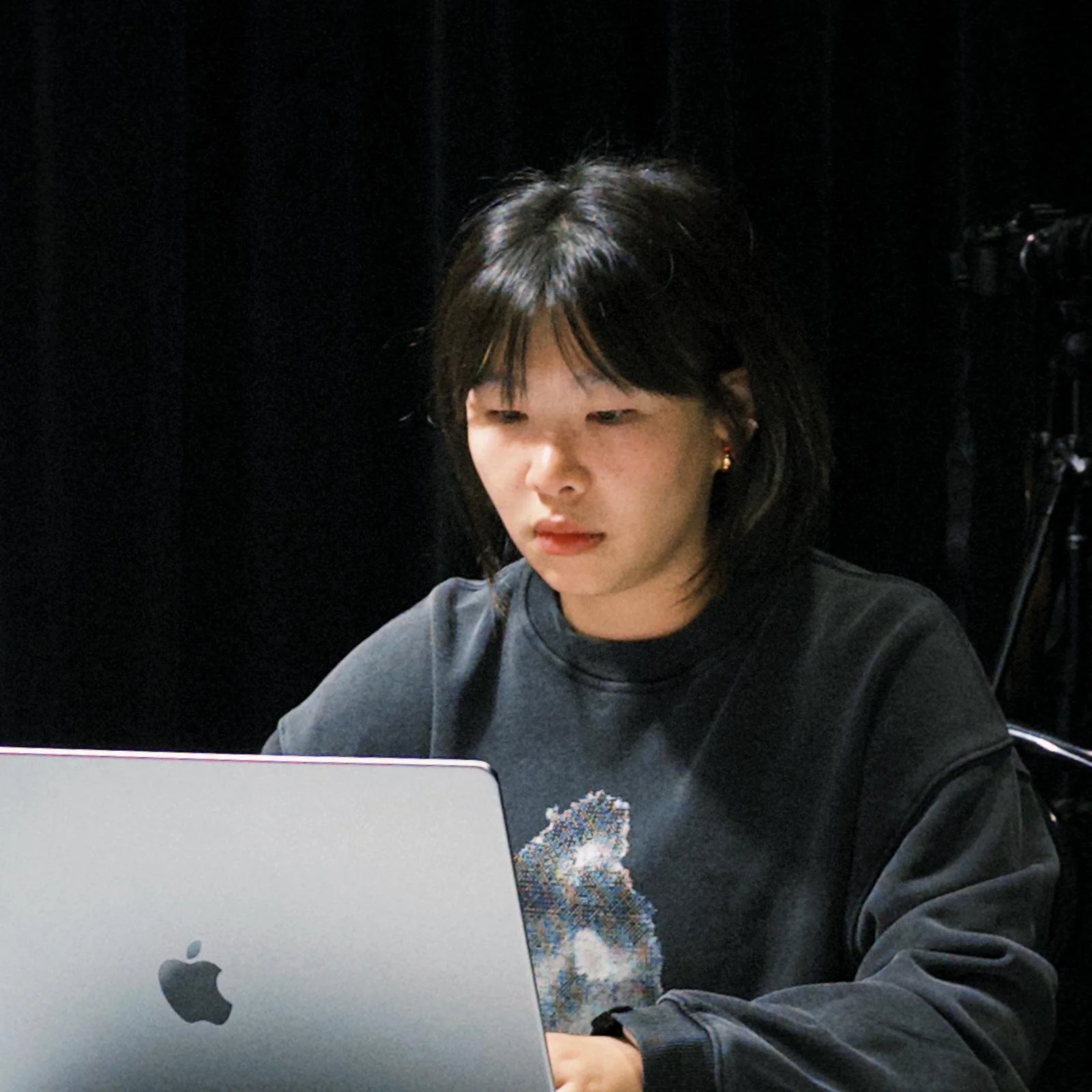
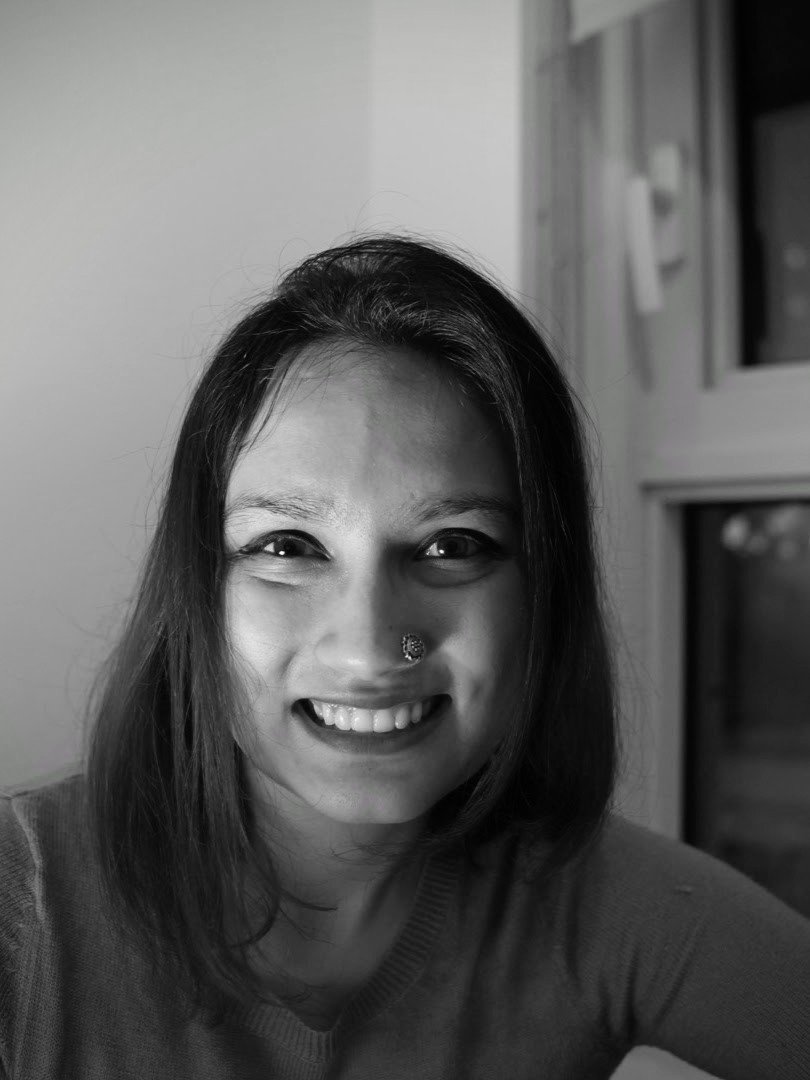
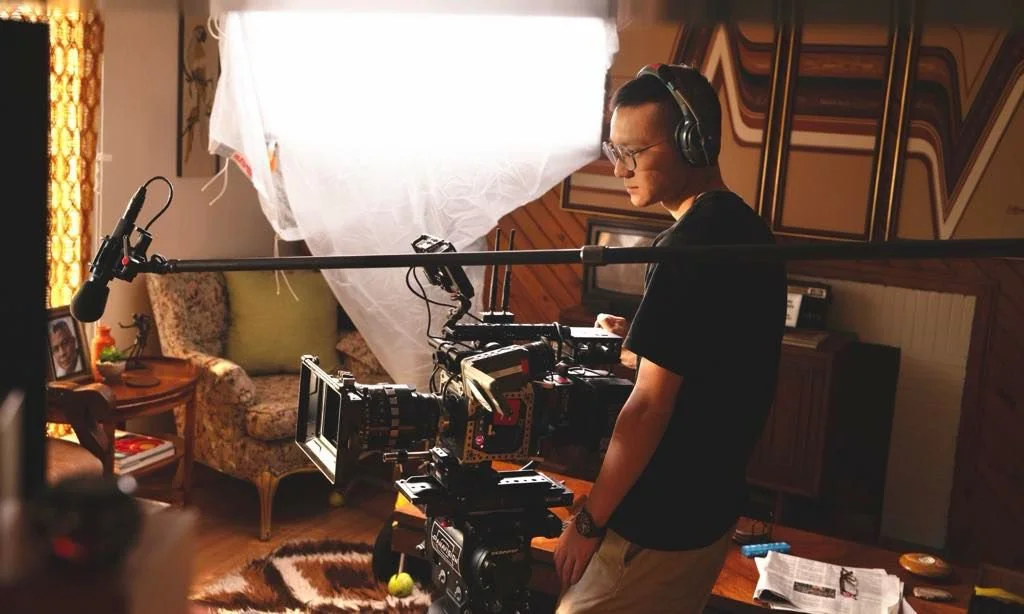
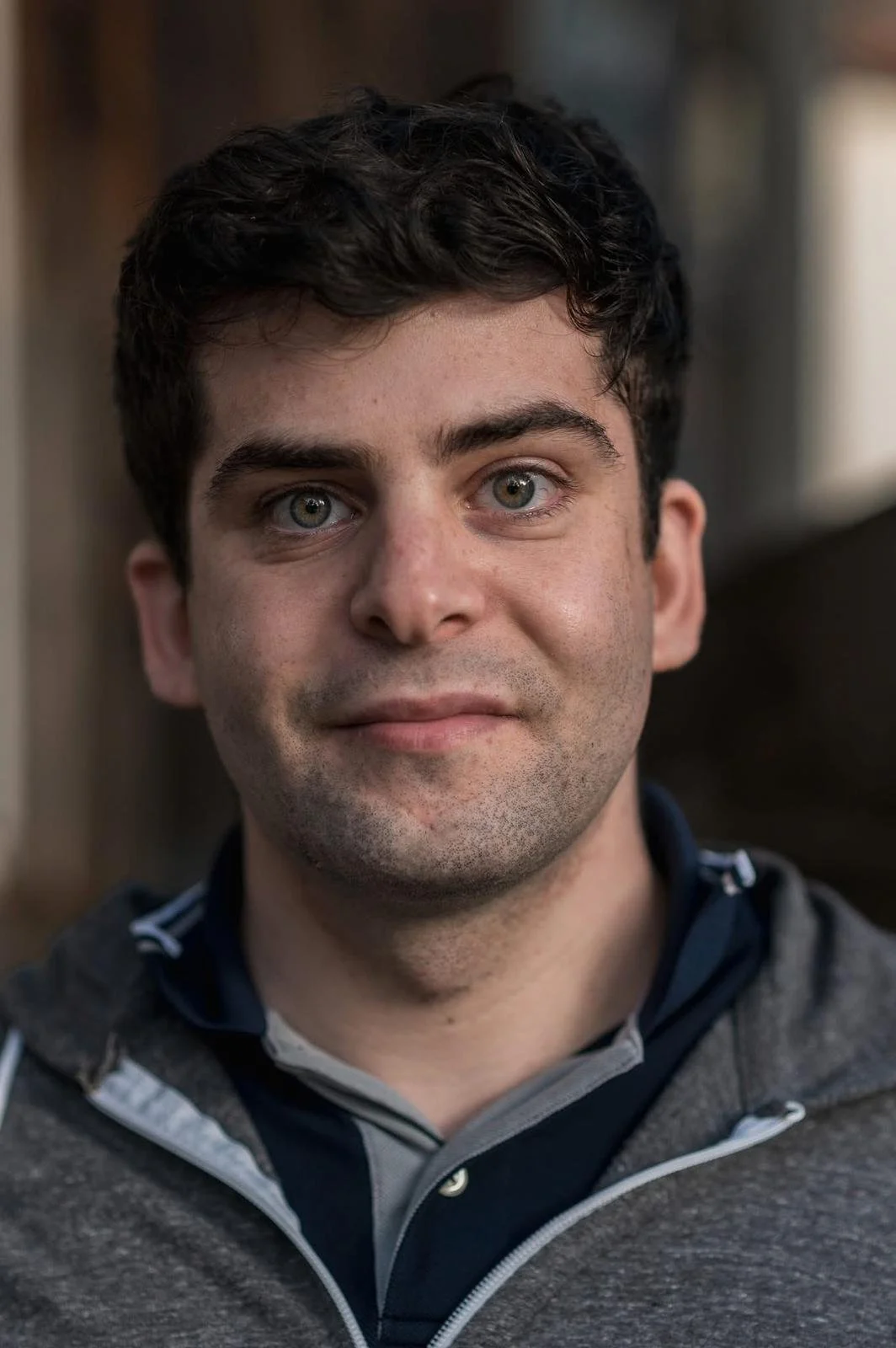
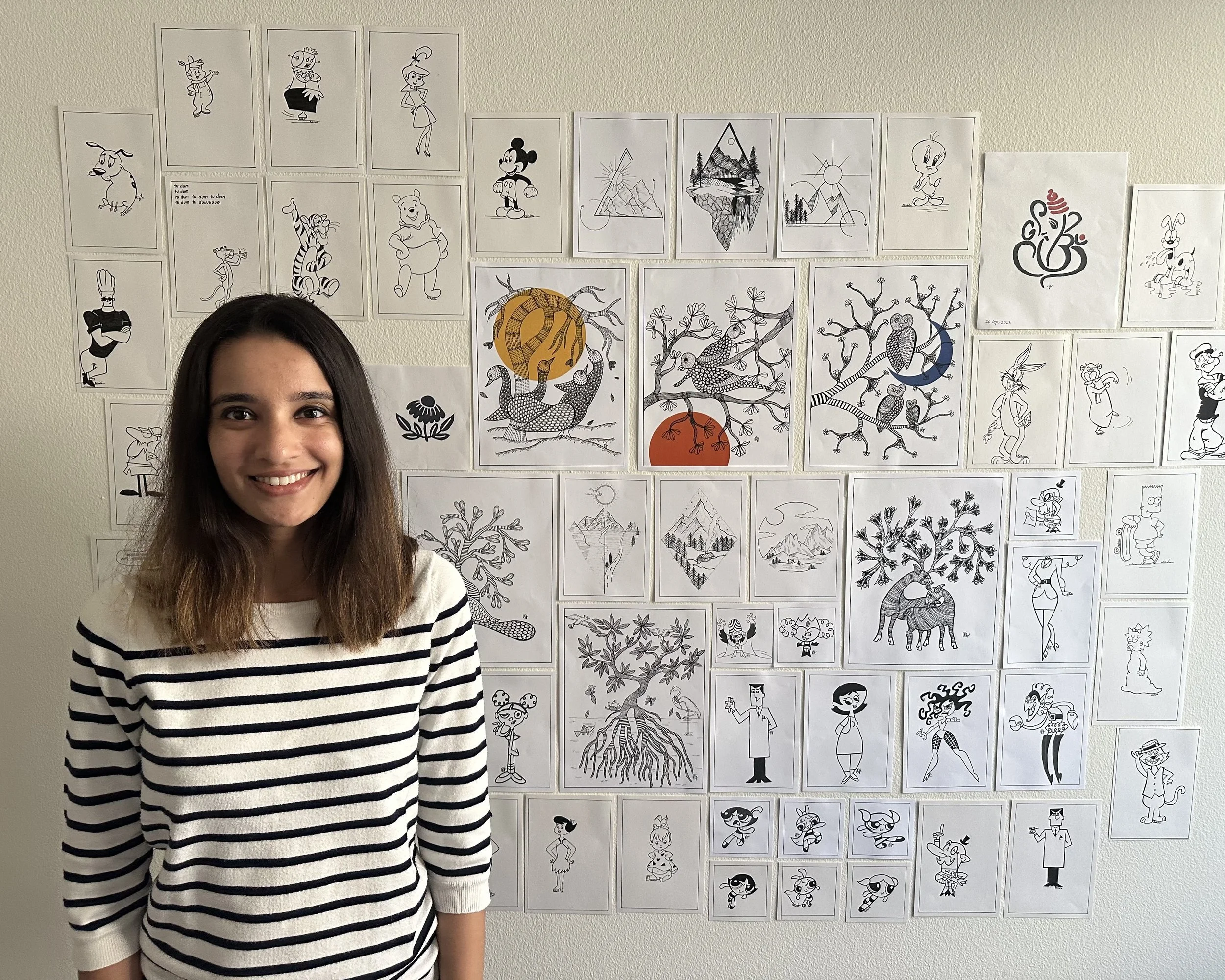

KANISHKA AGGARWAL
writer/ director/ producer
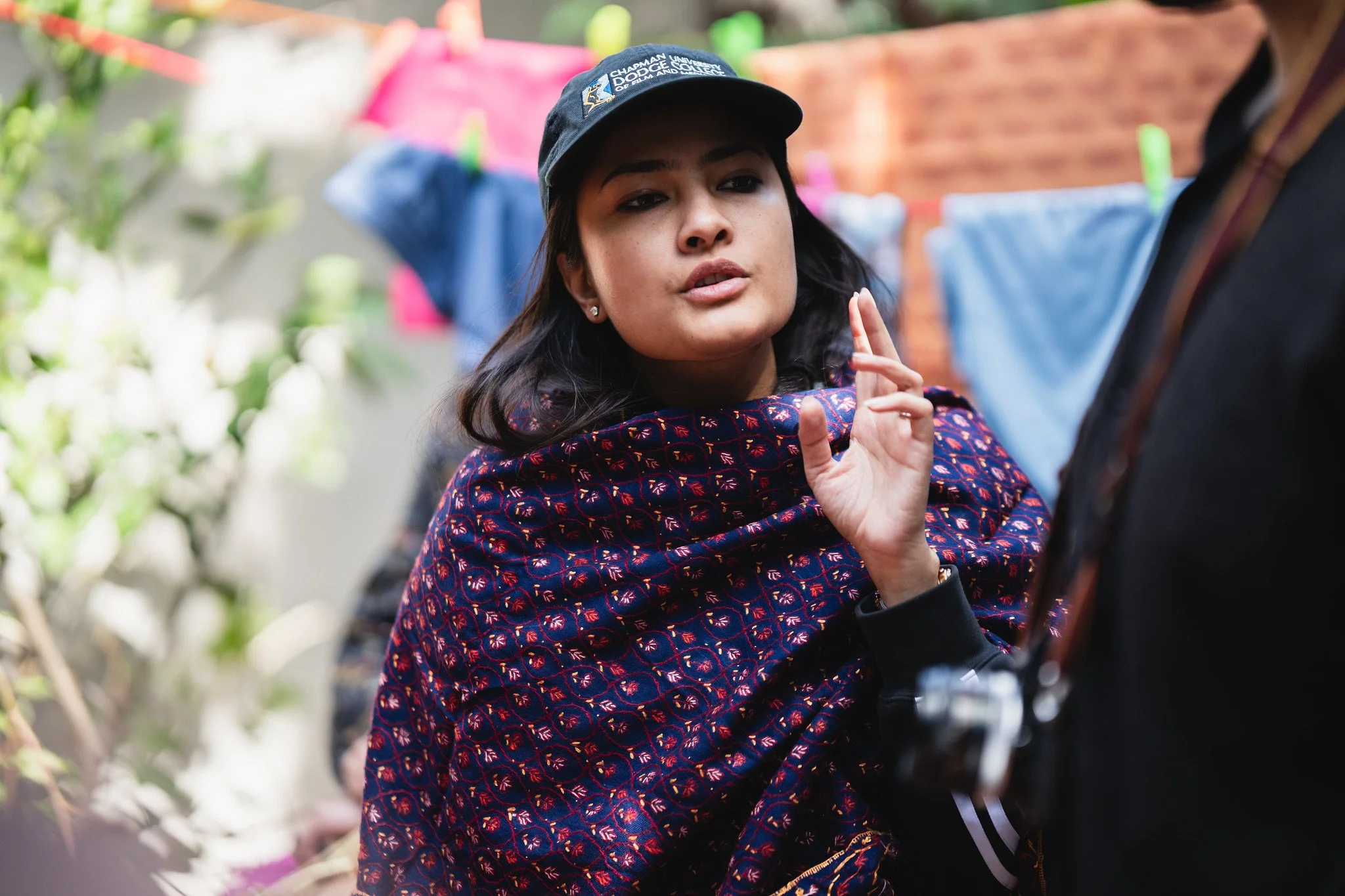
Kanishka Aggarwal is a Los Angeles–based writer, director, producer, and acting coach whose work is driven by a rare sensitivity to performance and human behavior. A multi-faceted storyteller, she brings a deeply collaborative yet precise approach to filmmaking, shaped by years of working closely with actors and building characters from the inside out.
She has coached actors on internationally recognized films such as The Rapist (Busan International Film Festival) and Agra (Cannes Film Festival), contributing to performances that have received critical acclaim. This foundation gives her a distinct directorial voice, one that is rooted in emotional truth and an acute understanding of what unfolds between people, rather than just what is said.
Her storytelling is drawn to the quiet, often overlooked spaces of human experience, especially within family dynamics, identity, and belonging. There is a specificity and intimacy to her work that feels both deeply personal and widely resonant.
Her debut short film, Katti (Unfriend), which she wrote, directed, and produced, explores childhood, loneliness, and sibling relationships within the chaos of a joint family. The film marks the beginning of a body of work that is interested in empathy, contradiction, and the complexities we carry from a young age.
She holds a MFA degree in Directing from Chapman University.
AKSHITA NAMJOSHI
writer
Akshita is a storyteller drawn to character-driven narratives that sit at the intersection of cultural specificity and universal emotion. Her creative path began early through theatre and improv, and expanded into writing for platforms such as the United Nations’ Voices of Youth, where she used storytelling as a means of exploring ideas that matter to her.
After completing a Bachelor’s degree in Engineering in Delhi, she made a decisive shift back to storytelling, pursuing a Master’s degree in Screenwriting at Dodge College of Film and Media Arts, Chapman University. This transition reflects a clear throughline in her work: a commitment to understanding people, systems, and the emotional undercurrents that shape them.
Her writing is informed by both her Indian upbringing and her formal training in the United States, allowing her to build stories that feel deeply rooted in Indian lived experience while resonating across cultures. She is particularly interested in centering Indian characters in narratives that are textured, grounded, and emotionally specific.
Akshita continues to explore the possibilities of storytelling across mediums, with a focus on work that amplifies voice, identity, and belonging.
WENFENG LI
producer
Wenfeng is a producer with a strong foundation in story-driven filmmaking and a collaborative, detail-oriented approach to production. She holds a BFA from the Savannah College of Art and Design and further developed her practice through the production program at Chapman University.
She has produced short films including Sparkle Pets and Donuts, approaching each project with a clear belief that storytelling is at the core of filmmaking and that every department plays a role in serving that vision.
Known for her reliability and thoughtful leadership, she prioritizes both the creative integrity of a project and the experience of the team behind it, fostering environments where collaboration can thrive.
SARANYA NAYAK
associate producer
Saranya is a producer, writer, and sound designer whose work spans narrative, documentary, and commercial storytelling. Originally from Kolkata, she brings a cross-disciplinary practice shaped by both field research and hands-on filmmaking across India, the UK, and the United States.
She holds an MA in Visual Anthropology from the University of Manchester and an MFA in Film and Television Production from the University of Southern California. Early in her career, she assisted on National Award–winning feature films in India, grounding her practice in large-scale production environments and story-first filmmaking.
As a producer and director, her short films have screened at festivals internationally, while her work as a sound designer has contributed to critically acclaimed films showcased at Tribeca, Fantasia, and HollyShorts. Across roles, she moves between creative and technical disciplines with ease, bringing a strong sensitivity to tone, rhythm, and narrative intention.
Her work is consistently guided by a commitment to socially engaged storytelling and research-driven narratives, with a focus on underrepresented voices and lived experiences that are often overlooked in mainstream media.
Saranya is currently based in Los Angeles, working between India and the United States.
SHIH-HSUAN KUO
cinematographer
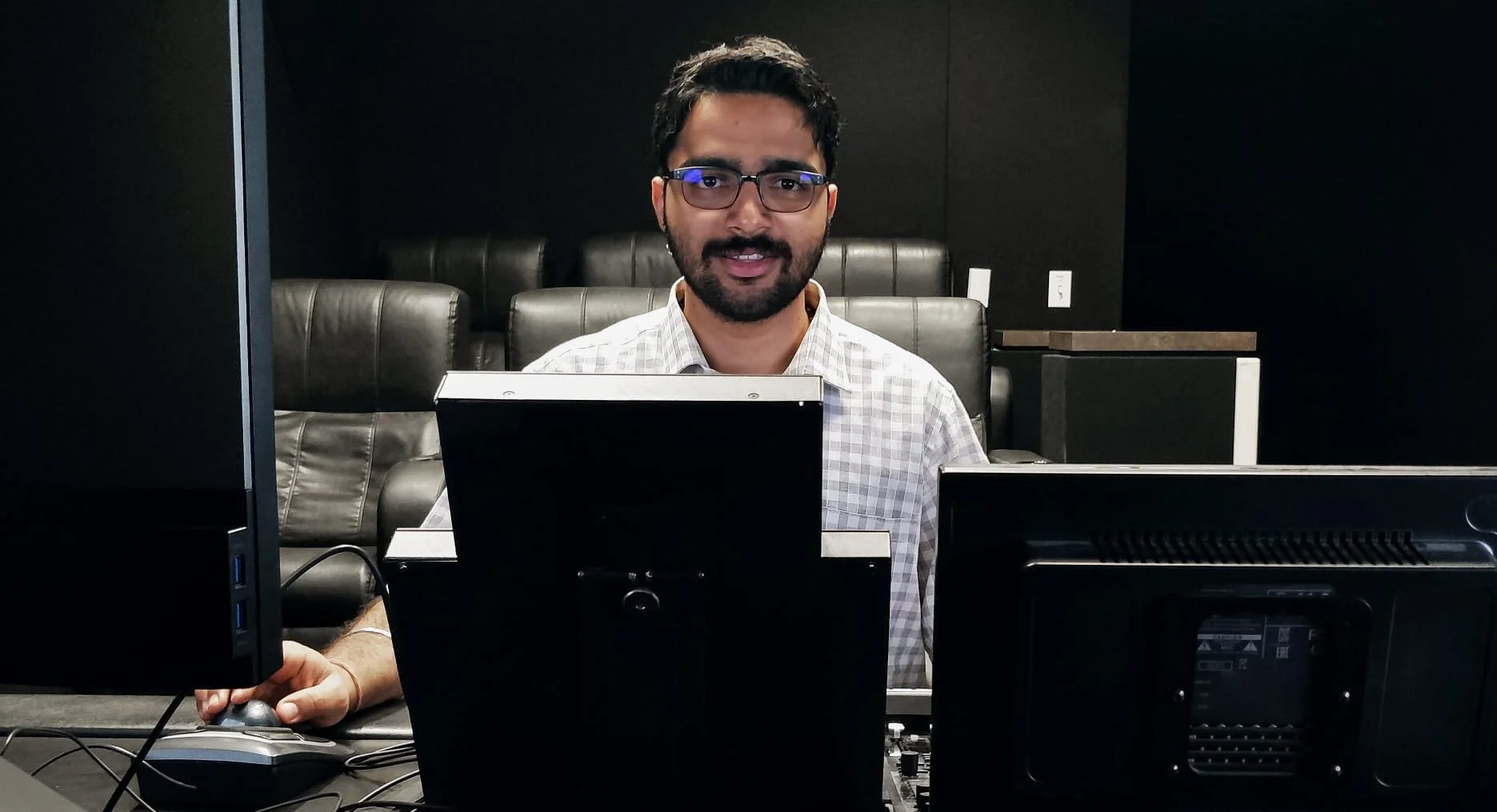
Kuo is a Taiwanese cinematographer whose work is grounded in crafting emotionally resonant and visually immersive storytelling. He began learning the craft early, training under industry professionals from the age of 10, and went on to build his foundation as a camera operator for local studios in Taiwan.
Over the past decade, he has worked across short films, documentaries, music videos, and commercials, developing a versatile visual language shaped by both independent and commercial production environments. His approach is defined by a strong sensitivity to realism, performance, and visual tone.
He holds an MFA from Chapman University, where he trained under leading cinematographers and refined his approach to narrative image-making. He was later selected as one of four cinematographers for ColorCreative’s Find Your People Program 2024 cohort, during which he shot a short film executive produced by Issa Rae.
His work has screened at festivals including the LA Shorts International Film Festival, Flickers’ Rhode Island International Film Festival, and Out On Film: Atlanta’s LGBTQ Film Festival, and he received the Best Cinematography award at the SoCal Film Awards.
Kuo is driven by a commitment to translating directorial vision into precise, emotionally alive imagery that feels both authentic and cinematic.
DANNY FAIN
editor
Danny is a post-production artist specializing in film editing and photography, with a practice defined by precision, rhythm, and a strong narrative sensibility. His work reflects a meticulous attention to detail, shaping stories with clarity while remaining deeply attuned to emotional nuance.
He holds an MFA in Film Editing from Chapman University, where he honed his craft and developed a disciplined approach to storytelling in the edit.
Drawing from his lived experience as a person on the autism spectrum, he approaches storytelling as a way to understand connection, perception, and the many ways people experience the world. This perspective informs a body of work that is both technically exacting and quietly expressive.
Through editing and image-making, Danny continues to explore storytelling as a space for both structure and discovery, creating work that invites audiences to engage with emotion in subtle and unexpected ways.
ROHINI JADHAV
production designer
Rohini is a production designer whose work is shaped by a strong foundation in architecture and a global approach to visual storytelling. Originally trained as an architect in India, she brings a spatially driven, detail-oriented sensibility to her design practice, with a focus on building immersive and emotionally grounded worlds.
After two years in architectural practice, she transitioned into film, pursuing postgraduate studies in world-building at SCI-Arc in Los Angeles. She has since collaborated with acclaimed production designers including Guy Hendrix Dyas, Inbal Weinberg, and David Lazan, contributing as a researcher and digital asset manager within their art departments on large-scale projects.
In India, she has worked as an art director and assistant art director on feature films for major production houses such as RSVP and Benares Mediaworks, with projects released theatrically and on platforms including Netflix, Prime Video, and Zee5. Alongside this, she has independently designed over 15 short films, as well as music videos, commercials, and an independent feature, with several projects screening at international festivals.
Most recently, she was selected as a production design fellow for ColorCreative’s Find Your People Program, where she designed a short film executive produced by Issa Rae.
Rohini’s work is driven by a commitment to creating environments that are not only visually compelling but deeply connected to character, story, and lived experience.
PRASHANTH SRINIVAS
music & original score
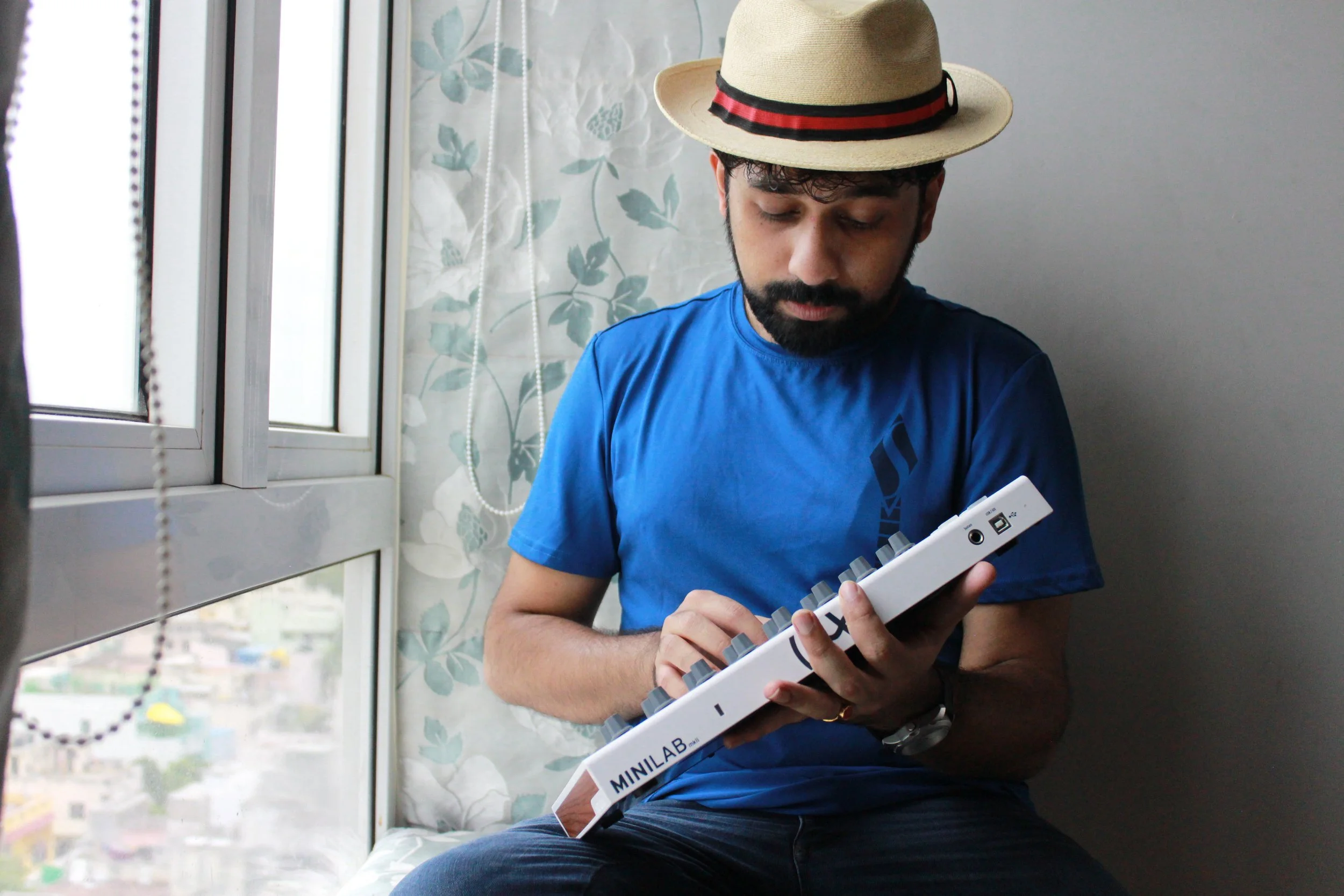
Prashanth Srinivas is a composer for film and digital media whose work bridges Indian and Western musical traditions with a contemporary sensibility. Trained at USC’s Film Scoring program and A. R. Rahman’s KM Music Conservatory, he brings a strong foundation in both cinematic storytelling and classical music.
He has composed for over 200 advertising campaigns, as well as narrative projects including ImMature and Indori Ishq, and films across Hindi, Marathi, Tamil, Telugu, and English. With formal training in Carnatic classical music and recognition in Western classical performance, his work reflects both versatility and musical depth.
Based in Mumbai, Prashanth approaches each project as an opportunity to create immersive, emotionally resonant soundscapes that feel both fresh and rooted.
KARTHIK MOHAN
sound editing supervisor
Karthik Mohan, MPSE is a Los Angeles–based sound effects editor working across studio films, independent features, and global streaming content. His work is driven by a deep sensitivity to how sound shapes emotion and immersion in storytelling.
His credits span major Indian blockbusters such as Jawan, Jigarthanda Double X, and Indian 2, as well as independent and festival films including Four Samosas and Paper Flowers. He has also contributed to series like The Wheel of Timeand Hanna, along with commercial work for global brands.
His projects have been featured on platforms including Netflix, Amazon Prime Video, Hulu, AMC+, and PBS, and have screened at festivals such as Cannes, Tribeca, and IFFR Rotterdam. He is a nominee for the MPSE Golden Reel Verna Fields Award and a two-time CAS Student Recognition Award nominee.
Karthik continues to approach sound as a collaborative and evolving craft, shaped by a commitment to storytelling through detail and texture.
KEVIN PUNSALAN KHOR
sound editing supervisor
Kevin is a Los Angeles–based dialogue editor and re-recording mixer whose work spans feature films across Hollywood and Indian cinema. Originally from Singapore, his path to sound was shaped by a growing curiosity for film that led him to build his career in Los Angeles.
In a short span, he has contributed to a range of projects across industries, including Jawan, one of the highest-grossing Indian films of all time. His work reflects a strong command of dialogue and a sensitivity to performance, ensuring clarity while preserving emotional authenticity.
Alongside post-production, he continues to engage with on-set work, maintaining a close connection to the filmmaking process and collaboration with directors and actors.
Follow us